The Explanation Trap
Why explaining your expertise in more detail rarely makes buyers trust it more.

Business Book Ghostwriting, Coaching & Authority Assets
The time to earn a prospect's trust is before the moment they need to hire you.
SpearPoint Ink helps experienced business leaders turn their best thinking into Authority Assets, most often a business book written through ghostwriting or book coaching, that reach people before the need becomes urgent.
The Authority MRI is a short assessment, about 90 seconds, designed to identify where your expertise could become more useful to your business. If you are already considering a book, talk with Bob about the reader, the business purpose and whether professional development makes sense.
Want to look further first? See What Your Authority Asset Could Be. The Book Blueprint is the fuller first step toward building something.
"It even helped get me the 40 under 40 for InvestmentNews."
Joseph C. Conroy, CFP®, author of Decades & Decisions. Watch his story

When People Usually Call Bob
Most people who come to SpearPoint Ink have already been carrying the idea for a while.
Some tried writing the book themselves and got stuck. Increasingly, some tried using AI and discovered that generating more words did not answer the harder questions about what the book was really about, what belonged in it or how to organize the thinking.
Others already have a draft. It may have been sitting on a computer for months or years because they know it is not quite working but cannot see what needs to change.
Sometimes the pressure comes from the business. They want to build a stronger presence as a speaker or coach and realize they need something substantial that demonstrates how they think before someone hires them or puts them on a stage.
Others have plenty of ideas but no clear way to package those ideas into one coherent book.
And some arrive because someone they trust says, in effect, "Talk to Bob. He helped me turn what was in my head into a book."
Not sure what is getting lost between what you know and what other people hear? The Authority MRI can help you spot the gap in about 90 seconds. Take the Authority MRI
The Gap
You know the context behind your decisions. Your market usually gets the compressed version. A sales conversation reduces years of judgment to a few minutes. A referral partner remembers the category but may lose the distinction. A content team works from approved language rather than the full source.
The result is frustrating because the business can look like it has a marketing problem when the deeper problem happened earlier. The market never received enough of the thinking to understand why your work carries weight.
SpearPoint Ink works upstream. We recover the ideas, stories, distinctions and judgment that are easy for an experienced professional to overlook because they have become obvious through repetition.
Being Understood
A prospective client might learn about you through a referral, LinkedIn or a conversation with an AI assistant. Each route creates the same test: Is your expertise clear enough to explain without you in the room?
For many experienced professionals, the evidence is scattered. Valuable ideas sit in old presentations, client conversations, articles and unfinished drafts. A carefully developed book or other Authority Asset can bring that thinking together, give your distinctive methods a name and create a reliable source for your website, content and conversations.
An Authority Asset does not guarantee that ChatGPT or any other AI system will recommend you. It gives people and the tools they use a clearer public body of work to evaluate.
The Business Stakes
Your next client may come through someone else's recommendation. By the time you speak, that person may already have an opinion about your credibility, your approach and whether you understand the problem they face.
That opinion gets formed through introductions, recommendations, articles, books and conversations you never hear. When all someone can repeat is your job title, the best part of your expertise may never reach the prospect.
Three independent findings are worth sitting with.
94%
Of buyers surveyed had already ranked their shortlist of vendors by preference before they contacted any vendor.
72%
Of the profit generated by all new customers came from referred customers, in an analysis of more than 10 million consumers. Referrals accounted for only about 20% of new customers.
95%
Of hidden buyers said strong thought leadership makes them more receptive to sales and marketing outreach.
Source: Edelman and LinkedIn, 2025 B2B Thought Leadership Impact Report
These studies cover different groups and buying situations, including individual consumers, complex business purchases and decision-makers who never appear on a sales call. They do not measure SpearPoint Ink client outcomes, and they do not show that publishing a book causes more referrals or higher sales. What they show is how much can rest on a conversation someone else has about your work.
LIMRA's 2026 Retirement Income Readiness Report found that 88% of surveyed pre-retirees had thought about how they would generate income after work, yet only 40% were working with a financial professional. The survey defined pre-retirees as workers age 45 or older who planned to retire within ten years.
That gap does not prove they will choose an advisor they have heard of before. It does show a substantial audience considering a future need without having an existing professional relationship. That is exactly when useful ideas can begin earning attention.
Source: LIMRA, October 13, 2026. This research concerns retirement planning, not SpearPoint Ink clients or book-marketing outcomes.
A good introduction gets your name into the conversation. An Authority Asset helps someone understand what makes your thinking worth bringing into that conversation. That could be a book, a keynote or a clear body of ideas people can read, remember and share.
The Problem
More content does not automatically create more authority. Neither do more ads, more appointment setters or more frequent posting. Those mechanisms can distribute the message more widely without improving what the message contains.
AI makes this easier to see. It can produce fluent versions of what it receives. If the source material has already lost the important context, automation can make the generic version more efficient.
The useful work is to strengthen the source before increasing the distribution.
Why explaining your expertise in more detail rarely makes buyers trust it more.
What happens to your thinking each time it is repeated by someone who is not you.
Where hard-earned judgment escapes between the conversation and the decision.
From People Who Have Done the Work
Some projects begin because one author, advisor or business owner tells another person, "You need to talk to Bob."
The finished book is only part of the work.
Clients also talk about what happens before the manuscript is complete: the questions, perspective, pushback and structure that help them see ideas they have lived with for years in a different way.
Research can show the weight that rests on referrals. Chris Zeches describes what it looks like to have a finished book he can put into someone else's hands.
The value of an authority book becomes easier to see after publication. Some authors use it to begin conversations with prospects or referral partners. Others use it in client education, speaking and professional outreach.
Joseph C. Conroy and Christopher Zeches have described ways their books fit their work. Their experiences are individual, not a prediction of what another book will produce.
"He shows you that this one-dimensional thing is actually three-dimensional."
Dr. Danielle A. Vaziri, PA-C
"It gives you this whole new perspective on a niche that you've been working in for a lot of years."
There's a lot of great things about working with Bob. He has a lot of really great insights. He's a really good listener. But the thing that I appreciated most about his approach was he helps you to change your perspective in a way that's, like, not hard.
So for example, like, say that you have a flat piece of paper, you write your ideas down on it, you read your ideas. Usually, that's the whole thing. Right? But with Bob, he, like, shows you that this one dimensional thing is actually three-dimensional. So, like, he picks the paper up. He shows you the front, the back. You read it upside down. You read it sideways.
And so it gives you this, like, whole new perspective on a niche that you've been working in for a lot of years. And my niche is not a niche that he was previously working on with other clients. So I think it just really goes to show you, like, his brain is built differently, like, in a beautiful way.
"Bob helped me take an idea and turn it into a full book."
Christopher Zeches
"He's there. He listens to what I'm trying to accomplish, while at the same time he can push a little bit."
Over the years, I've had clients tell me that I should write a book. That seemed super hard and something that would take way too much time. It wasn't until earlier this last year when I started speaking with another advisor, and he introduced me to Bob Graham. Bob helped me take an idea and turn it into a full book. Now, I'm not saying it was completely easy.
There was hard work between Bob, myself, taking my vision and trying to put it down into words. And what I found is Bob knows what he's doing, has the experience to basically take my ideas, put those into words, and turn it into a full book. Since my book has been published, it has been great for me because it's very easy to pass it along to somebody in a non intimidating manner. You can say, here. Here's the book I wrote.
Take a look at it. I've used that with new prospects, continue to use that with my own clients just so that they can see what it is that we've done for them. And then I've also talked to centers of influence out there, showing that I'm just a little bit different. That book, again, is different than what the adviser down the street is going to have and certainly different than that white paper that might be out there. It's an un-intimidating item to be able to give to individuals.
I know without a doubt if I had not met Bob and been able to go through this process with him, the book would have never been created. He's there. He listens to what I'm trying to accomplish, while at the same time, he can push a little bit and say, you know what, Chris? That probably doesn't meet exactly what you're looking to do. Or maybe we can say this in a different manner.
So without a doubt, meeting Bob was great last year. My book is here because we certainly worked well together, and he knew what he was doing through his years of experience. And without a doubt, I would have no hesitation in working with Bob again to write another book
"Bob did a great job helping me break down the process of writing a book and made this huge, daunting task into very bite-sized pieces."
Joseph C. Conroy
"I would recommend all financial advisors at least consider a book. It is a wonderful tool in your toolbox amongst all the other things that you do for clients."
Joe Conroy here, author, thanks to Bob Graham, of the book Decades and Decisions, which is on Amazon and a bunch of other online places. Bob did a great job helping me break down the process of writing a book and made this huge daunting task into very bite sized pieces. You know? How do you eat an elephant? One bite at a time, and Bob was there with me every step of the way.
Led to a lot of growth with my business, led to a lot of different different things and opportunities, media mentions, things like that, and it even helped get me the 40 under 40 for InvestmentNews.
I would recommend all financial advisors at least consider a book. It is a wonderful tool in your toolbox amongst all the other things that you do for clients. Helps get your name out there. I would highly recommend Bob and having him help you write your book.
"When he replied with his suggestions, it was like a light bulb went off, bringing so much clarity, vision, and renewed passion."
Christopher Moore
Bob has honestly been beyond inspiring. Full disclosure, I've known Bob as a fellow business coach and become friends. He has really tapped into his genius, helping people like you and me write a book. You see, before, writing my book felt like a chore. It was something that I knew I needed to do, wanted to do it, yet it remained on the back burner for years.
I sent Bob a short sample with my writing style, purpose, and target audience. When he replied with his suggestions, it was like a light bulb went off, bringing so much clarity, vision, and renewed passion. Now, I have this excitement about my writing journey, all because of Bob's support.
If you're thinking about writing a book and need direction, please, the very first call or email that you need to make is to Bob Graham. He will cut years off your writing journey.
Client experiences vary. Testimonials describe individual experiences and do not promise similar business or financial results.
Selected Client Books
A finished book is the visible part of the work.
Behind each one are interviews, questions, stories, decisions and years of expertise that had to be sorted before the manuscript could take shape.
These are some of the books Bob Graham has helped create.
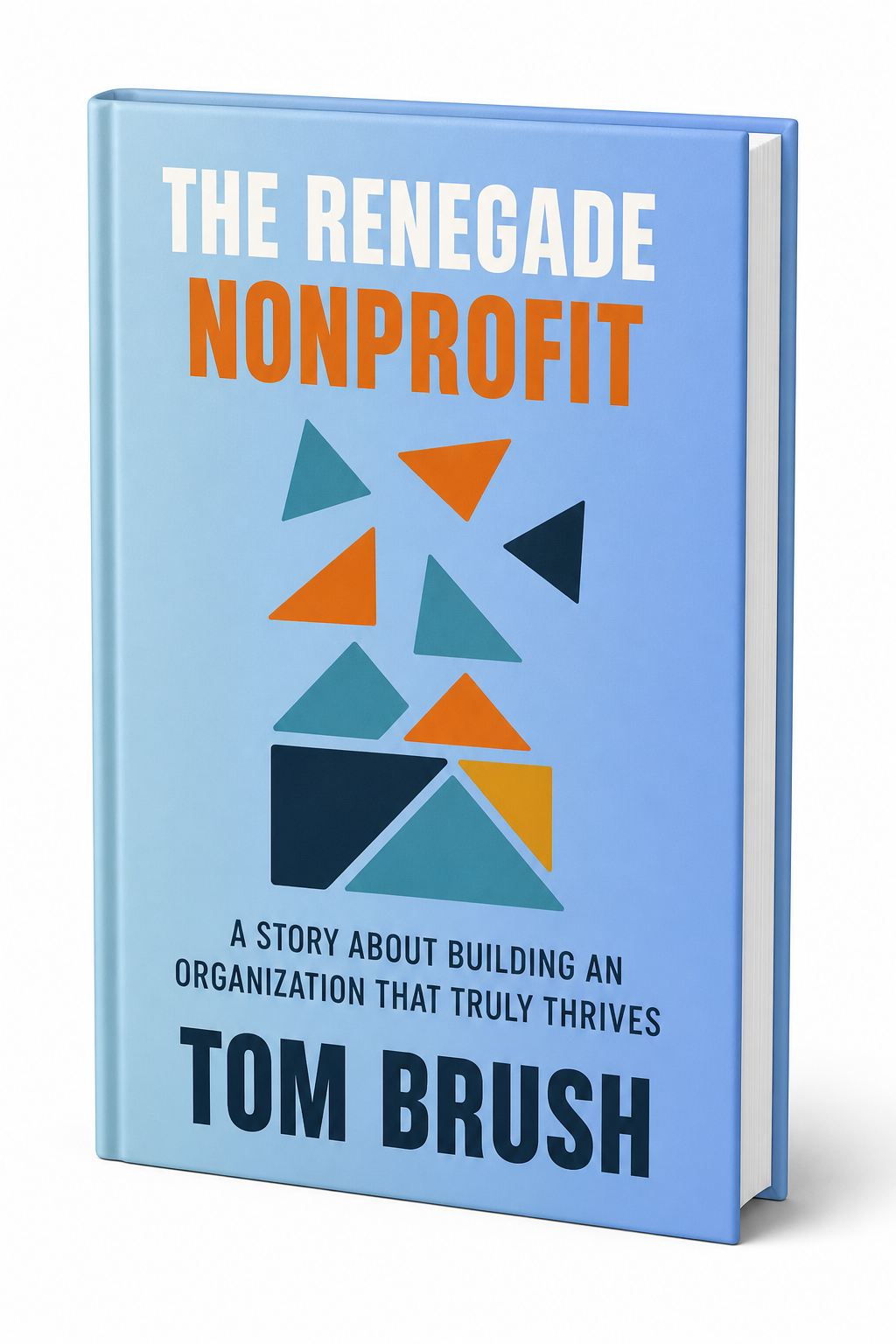 The Renegade Nonprofit
A Story About Building an Organization That Truly Thrives
Tom Brush
The Renegade Nonprofit
A Story About Building an Organization That Truly Thrives
Tom Brush
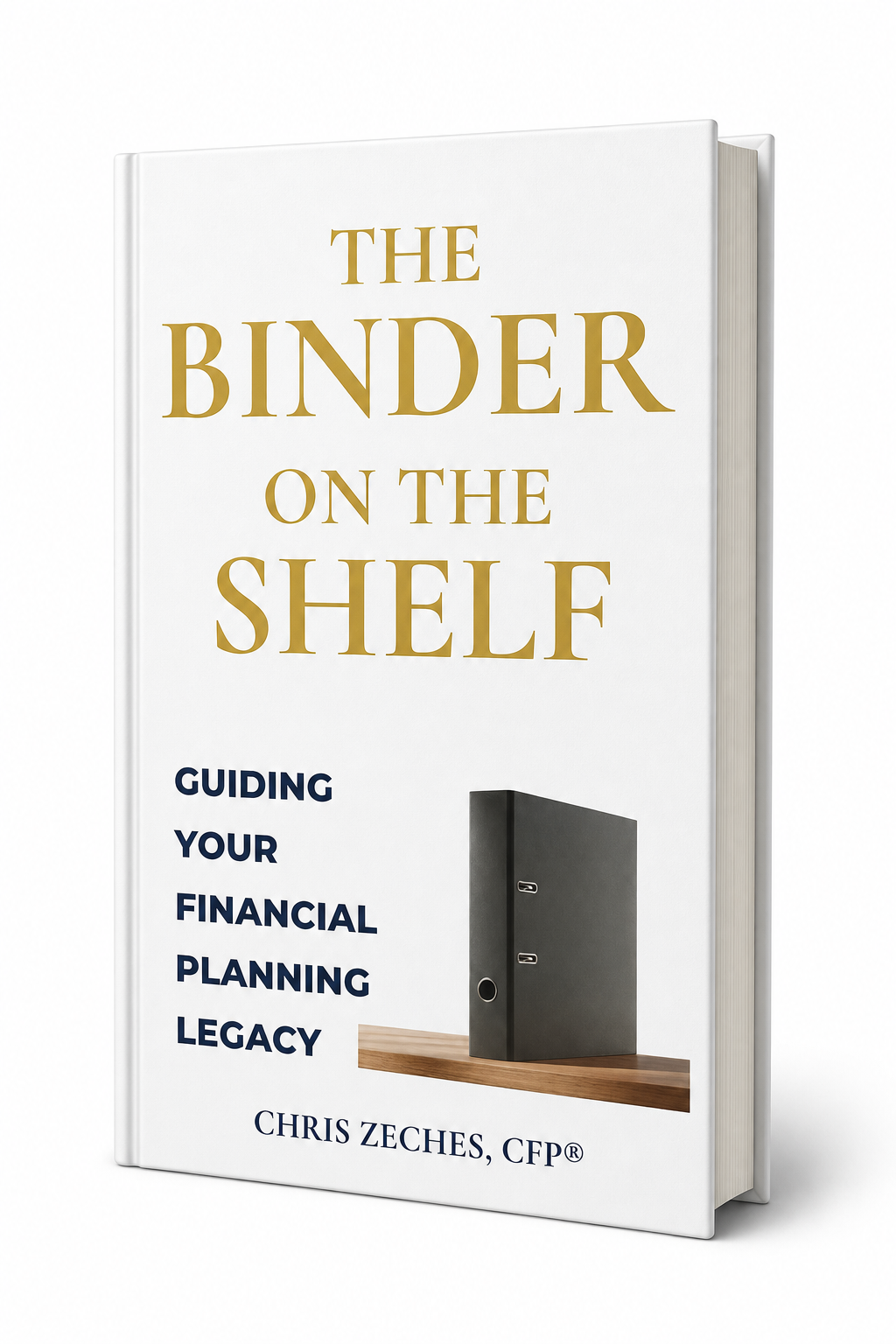 The Binder On The Shelf
Guiding Your Financial Planning Legacy
Chris Zeches, CFP®
Hear Chris describe the process ↑
The Binder On The Shelf
Guiding Your Financial Planning Legacy
Chris Zeches, CFP®
Hear Chris describe the process ↑
 Sales Craft
Proven Tips, Practices and Ideas to Advance Your Sales Success
Brendan McAdams
Sales Craft
Proven Tips, Practices and Ideas to Advance Your Sales Success
Brendan McAdams
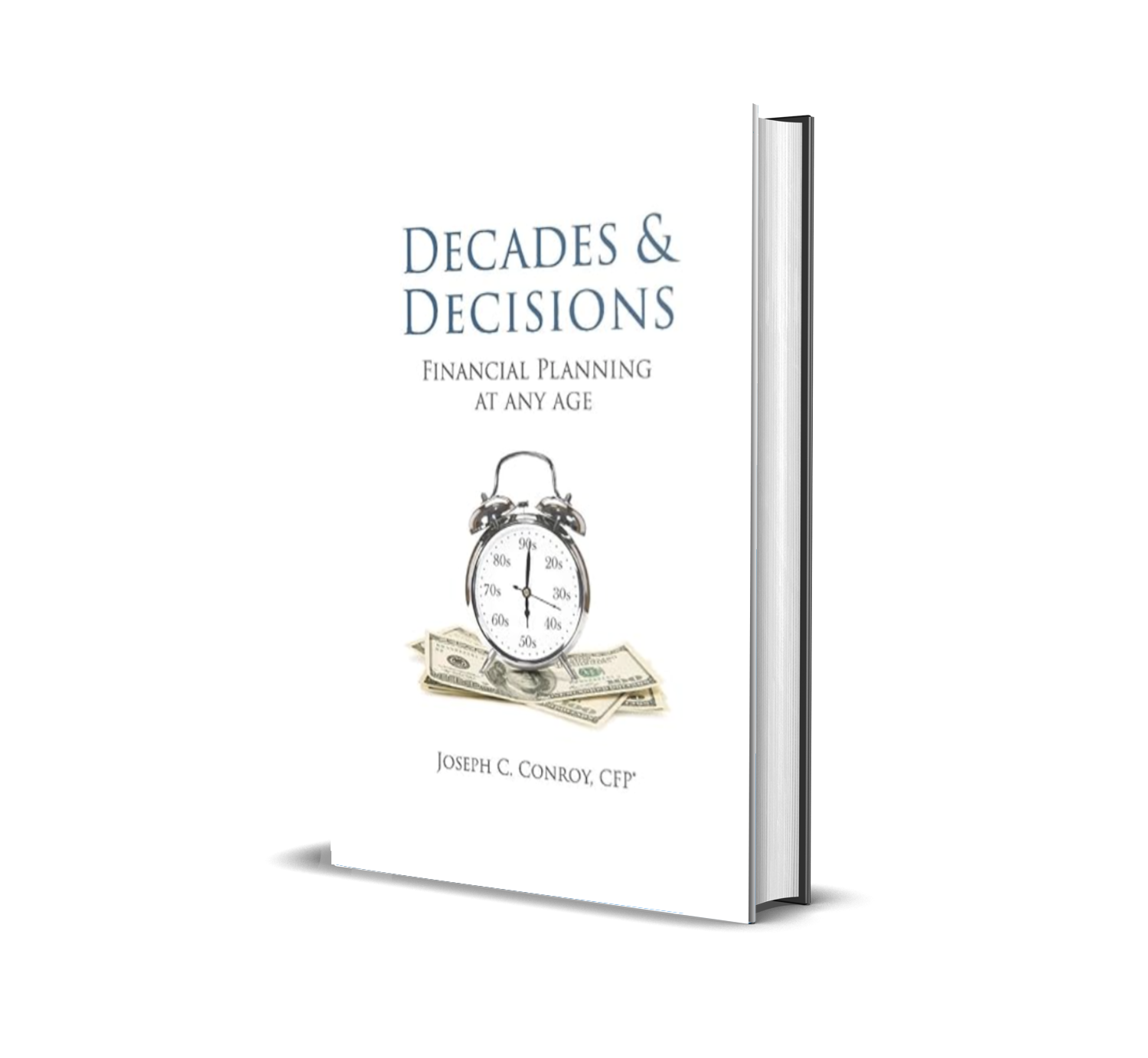 Decades & Decisions
Financial Planning At Any Age
Joseph C. Conroy, CFP®
Hear Joe describe the process ↑
Decades & Decisions
Financial Planning At Any Age
Joseph C. Conroy, CFP®
Hear Joe describe the process ↑
 Alignable
Tips, Tricks & Secrets for Small Business Success
Written by Bob Graham for BeeSavvy LLC
Alignable
Tips, Tricks & Secrets for Small Business Success
Written by Bob Graham for BeeSavvy LLC
Bob Graham has helped financial professionals, business owners, sales experts, nonprofit leaders and other experienced professionals turn their knowledge into finished books. Depending on the project, SpearPoint Ink's role can include idea development, interviewing, book architecture, ghostwriting, editing and book coaching.
A business book only becomes useful when the ideas inside it are clear enough to carry without the author standing beside them.
That is why SpearPoint Ink starts with the expertise rather than with Chapter One.
The Authority Asset
An Authority Asset is a durable expression of expertise. Often that means a business book because a book gives an idea room for argument, stories and nuance.
But a book is not automatically the right answer. Some ideas belong in a keynote, curriculum, client education system or a connected body of content.
The form follows the business job. The source comes first.

About Bob Graham
I started as a journalist, where accepting the first answer usually meant you had not asked enough questions.
That instinct followed me through marketing, public relations, teaching, business coaching and decades of writing for business leaders.
Today, I use it to help experienced professionals examine ideas they have often been carrying around for years. Some of those ideas are already strong. Others sound clear until somebody starts asking uncomfortable questions.
That is part of the work.
My job is not simply to write down what you already know. I listen for the idea underneath the first idea. I look for contradictions, missing pieces, stories and assumptions. Then we work together until the thinking makes sense to someone who has not spent twenty years living inside your field.
The client remains the expert. The book needs to carry that person's judgment, experience and voice rather than mine.
That is why I think of the work as part ghostwriting, part journalism and part strategic skepticism.
Bob Graham is an author, journalist, ghostwriter, book coach and founder of SpearPoint Ink. His professional background includes journalism, marketing, public relations, business coaching and teaching English and marketing. Through SpearPoint Ink, he works with financial advisors, consultants, professional speakers, business coaches, CEOs, founders and other experienced professionals to develop business books and Authority Assets from their existing expertise.
The Business Use
A book should not exist simply so the author can say they wrote one. The stronger projects are tied to a business use such as referrals, speaking, client education, sales conversations, recruiting or a larger body of thought leadership.
That does not mean promising a particular result. It means deciding in advance what job the asset needs to perform and building around that job.
When that business use is clear, decisions about audience, length, stories and launch become easier.
Who This Is For
A financial advisor, professional speaker, business coach, consultant and CEO can all benefit from a business book. They do not need the same book for the same reason.
The strongest projects begin with the role the asset needs to play in the business. These pages look at the decision through the realities of each profession rather than assuming that becoming an author is automatically the goal.
When a book can make an advisor's judgment easier for clients and referral partners to understand without becoming generic financial advice.
When the thinking behind a keynote has enough substance to deserve a durable form that can travel beyond the stage. For some experts, the book also becomes part of building a stronger presence for future speaking, coaching or advisory work.
When years of client patterns, frameworks and stories contain a point of view strong enough to stand apart from generic coaching language.
When diagnosis, judgment and methodology need to become easier for buyers and referral partners to inspect before the engagement.
When leadership judgment, company thinking or market perspective needs to become more portable than the CEO's direct presence.
The Process
SpearPoint Ink begins by recovering the thinking behind the work, identifying the idea worth owning and deciding what kind of Authority Asset should carry it.
The process then moves through architecture, creation and activation so the finished asset has a practical place inside the business.
Stories, judgment, distinctions and recurring client patterns come before production.
Book, keynote, curriculum, client education or another durable form based on the business need.
Connect the finished asset to a real use inside the business.
See the Full Authority Asset Process →
A worked example showing how source recovery, architecture and business use come together on an actual project.
Four tests that separate a book idea worth a year of your time from one that should stay an article.
A Practical First Step
The Book Blueprint is a focused conversation about the expertise you have accumulated, who needs to know about it and how an Authority Asset could begin earning trust before a prospect is ready to buy.
You can come with a blank page, a pile of ideas, an old manuscript or something you already tried building with AI.
The goal is not to convince you to write a book.
The goal is to determine whether there is a strong enough idea, reader need and business reason to justify one.
If there is, you leave with a clearer view of the central idea and where the project could go.
If there is not, that is useful information too.
Five questions first. If there appears to be a fit, choose a time to talk with Bob.
Looking for a smaller diagnostic? Explore SpearPoint Ink's other starting points.
Common Questions
People often recognize a problem before they take action. During that period they encounter ideas, referrals and experts who influence how they understand the problem. A useful Authority Asset gives them a way to examine your judgment before the first sales conversation. It may help you become familiar and credible, though no book or campaign guarantees a client.
An Authority Asset is a durable expression of expertise: something that carries your thinking into conversations you are not present for. A business book is the most common form because a book has room for argument, stories and nuance. A keynote, a curriculum, a client education system or a connected body of content can also serve as the Authority Asset when the business job calls for it.
A ghostwriter interviews the expert, works out the architecture of the book, drafts the manuscript and revises it through review. The expertise stays with the client. The ghostwriter's job is to get that expertise onto the page in the client's voice, in an order a reader can follow.
At SpearPoint Ink the interviewing and architecture usually take longer than most people expect, because that is where the book is actually decided.
Much of the work happens before drafting. Bob Graham spends significant time on source development: recovering the stories, distinctions and judgment behind the expertise, then testing whether the central idea holds up under questioning.
Some ideas are already strong. Others sound clear until someone asks uncomfortable questions. Bob treats that questioning as part of the job rather than an inconvenience, which is why he describes the work as part ghostwriting, part journalism and part strategic skepticism.
Financial advisors, consultants, professional speakers, business coaches, CEOs, founders and other experienced business leaders. The common thread is not an ambition to become an author. It is years of accumulated judgment and a business reason for making that judgment easier to understand and pass along.
No. Many projects begin before the premise is settled. Source work can come first: interviews, stories, client patterns and recurring distinctions often reveal the central idea more reliably than trying to name it in advance.
If you want to pressure-test an idea you already have, Is My Business Book Idea Good Enough? walks through the tests.
Yes. Some projects start with interviews and a blank page. Others start with a manuscript that has been sitting unfinished for months or years.
Bob can help determine what is already working, where the structure or central idea breaks down and whether the existing material can be revised or needs to be rebuilt around a clearer premise. The goal is not to discard work simply because it already exists. It is to determine whether that work is carrying the strongest version of the author's thinking.
No. That is the situation ghostwriting is designed for. In a ghostwriting engagement Bob takes primary responsibility for interviewing, architecture, drafting and revision, which concentrates your time in source conversations and review rather than weekly drafting.
Book coaching works the other way around: Bob handles reader definition, positioning, architecture, chapter development and editorial judgment while you produce the manuscript. That path only works if you can consistently protect the time required to draft.
It depends which engagement you are in, and the difference is large.
Ghostwriting. About 10 to 12 hours in total, spread across the four to six months of the project. Your time goes into source conversations and review rather than writing.
That covers an intake form, an outline meeting, a set of recorded interviews, then five or six rounds of reading a draft and talking it through: the introduction and opening chapters, the subsequent chapters, the title and back cover, the full revision pass and the final approval. Between those sessions your job is to read and react, not to produce pages.
Book coaching. This one genuinely varies, because you are writing the manuscript. How long it takes depends on how quickly you draft and how fast you turn feedback around. Bob handles reader definition, positioning, architecture, chapter development and editorial judgment, but the drafting hours are yours.
That only works if you can protect writing time consistently across the project. If you cannot, ghostwriting is the more honest fit, and working that out early saves everyone a stalled project.
For the Authority Clarity Intensive, the expectation is about 60 to 90 minutes plus brief preparation.
Most ghostwriting projects run four to six months from the date the contract is signed. That clock starts at signing rather than at the first conversation, and it covers intake and outline, interviews, drafting, review cycles, title and cover work, final revisions and publishing preparation.
Complexity, client responsiveness, research requirements and compliance review can all move that. The largest variable is usually how quickly drafts come back. The schedule assumes review cycles measured in days rather than weeks, and a project where feedback stalls will stretch accordingly.
Bob has worked on books with financial advisors and is familiar with how compliance review tends to shape language, claims and examples. That experience can make the review process less painful, and drafts can be written with the likely objections in mind.
Compliance approval rests with your firm and its reviewers. SpearPoint Ink does not provide compliance, legal or investment advice, and no outcome of a compliance review can be guaranteed.
AI may assist with research, organization, editing and drafting workflows. Bob remains responsible for editorial judgment, accuracy, confidentiality and the quality of the final work.
Client material is not submitted to tools that use submitted content to train their models. Where a publisher or retail platform asks about AI assistance, SpearPoint Ink supports an accurate disclosure of how the work was actually produced.
That is a common place for the conversation to begin.
Writing tools can help produce pages. They cannot automatically decide which idea deserves to carry the book, what the reader needs first, which stories belong or where years of expertise have created assumptions that a reader will not share.
Bob can work from what already exists, including drafts, notes, presentations, articles and AI-generated material, and help determine what is worth keeping and what the book actually needs to become.
AI can produce fluent prose quickly. What it cannot do is recover the thinking that never made it onto the page in the first place, or tell you which of your ideas is worth building a book around. If the source material is thin, AI tends to make the thin version more efficient rather than better.
Compare a ghostwriter with AI for a fuller answer.
Book coaching begins around $5,000, depending on scope. Full-service ghostwriting engagements begin at $30,000. Strategic authority books developed for a defined business use, including lead generation, typically start at $35,000. More extensive projects that combine a book with a keynote, client education or other Authority Assets are scoped individually.
The fee reflects the amount of source development, research, interviewing, manuscript work, revision and related business-development support required.
Then you should not write one. Some expertise is better served by a keynote, a curriculum, a client education system or a connected body of content, and some businesses have a distribution problem rather than a source problem.
Finding that out early is a good outcome. It is cheaper than discovering it in Chapter Seven.
Build something that carries your thinking into the conversations happening before someone is ready to call.